
When Novak Djokovic steps onto the court for a fifth set after more than four hours of play, the question isn’t whether he eats meat.
The question is how his team times his intake of protein, carbohydrates and micronutrients so he can keep up this pace as he approaches forty. The Serb actually prefers the term “plant-based” to “vegan”—a distinction that says a lot about what he really eats.
Nutritional periodization: how Djokovic’s team adjusts his intake to match each phase of play
Djokovic’s diet is often discussed as if it were one fixed, unchanging plan. On the court, the opposite is true. An athlete at this level doesn’t eat the same way during intense winter training, a Grand Slam or the post-tournament recovery phase.
During periods of intense training, energy intake is the first thing to monitor. A sports nutrition review notes that a high-fiber diet, typical of plant-based eating, can make it harder to meet calorie needs when energy expenditure soars. Foods such as green juices, smoothies, fruit and oatmeal provide concentrated energy while remaining easy to digest, which explains their place in this kind of plan.
During tournaments, the focus shifts to blood sugar management and quick digestion between matches. This means easily digestible carbohydrate sources (ripe fruit, rice) and protein spread throughout the day. To learn more about Novak Djokovic’s vegan nutrition and how it shapes his seasons, you need to look beyond the simple question of ethical choice.
During recovery, the focus shifts to anti-inflammatory micronutrients: turmeric, berries and leafy greens. The schedule dictates what’s on the plate, not the other way around.

Plant proteins and elite sport: what the science confirms—and what it doesn’t
Current research points to a fairly clear conclusion: a plant-based diet can support performance and muscle protein synthesis just as well as an omnivorous diet, provided nutritional intake is comparable. No better, no worse. Evidence that plant-based eating is superior remains insufficient, especially among elite athletes.
Djokovic himself said in 2019 that he had followed a plant-based diet for four and a half years and had given up meat. His account documents a temporal correlation between this change and the maintenance of his performance, but it’s impossible to isolate the effect of diet from that of training, rest, medical care and genetics.
In practice, athletes who adopt a plant-based diet need to monitor several nutrients:
- Iron, since non-heme iron (from plant sources) is less readily absorbed, so sources should be combined with vitamin C to improve bioavailability
- Calcium and vitamin D, whose intake varies depending on sun exposure and consumption of leafy greens or fortified plant-based drinks
- Vitamin B12, which is absent from plant foods and requires routine supplementation for any athlete who excludes animal products
- Total protein intake, which requires combining legumes, whole grains and nuts and seeds to cover the full range of amino acids
Djokovic’s case shows that with professional nutritional guidance, these challenges are entirely manageable. Without that support, the risk of deficiencies increases significantly.
Plant-based or vegan: a distinction that changes the advice for recreational athletes
Djokovic doesn’t describe himself as vegan. He talks about eating “plant-based,” which allows for more flexibility than the word “vegan.” For a recreational athlete looking to take inspiration from him, this distinction matters.
A strictly vegan diet requires rigorous nutritional monitoring that most recreational athletes don’t have. A predominantly plant-based diet, on the other hand, offers flexibility that makes it easier to meet nutritional needs. You can get most of your calories from plants while occasionally eating eggs, fish or dairy products to ensure adequate intake of B12, heme iron and long-chain omega-3s.
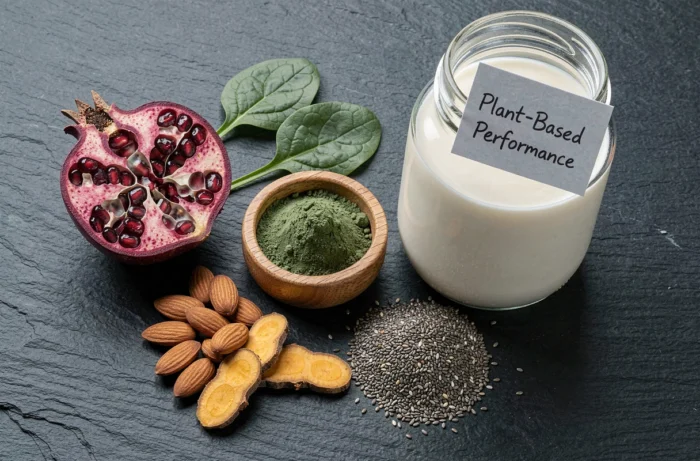
What Djokovic’s case can actually teach us
There’s little point in copying the diet of a champion with a personal chef and dedicated nutritionist if you’re a casual runner. What you can apply is the underlying approach:
- Increase the proportion of plant foods on your plate (legumes, whole grains, fruit and vegetables) without necessarily eliminating all animal products
- Adjust portion sizes and meal composition to the type of exercise planned for the day or week
- Get regular blood tests to detect potential iron, vitamin D or B12 deficiencies before they affect recovery
- Cut out gluten only if you have a diagnosed intolerance, not just to imitate someone else, since Djokovic’s journey began with a medical diagnosis in 2010
Djokovic’s diet and athletic longevity: correlation, not causation
Djokovic’s career can’t be summed up by what he eats. His longevity comes down to a combination of factors: exceptional biomechanics, a comprehensive recovery routine (sleep, cryotherapy, yoga), a top-tier medical team and an extraordinary mindset.
A plant-based diet is one part of a larger elite-performance system. What really sets Djokovic apart is the consistency of his overall approach: every factor, including nutrition, is optimized according to the stage of his season and the condition of his body.
For athletes looking to improve, the most useful lesson isn’t to copy a menu. It’s to apply the same discipline of periodization to their own needs, whether they eat plant-based, omnivorous or flexitarian.